Exploring the History of Flower Delivery Services
Flower delivery services have evolved significantly over the years, transitioning from simple local shops to complex networks that cater to various customer needs. Understanding this history can provide insight into how these services have shaped our modern floral experiences.
The Origins of Flower Delivery
The practice of sending flowers dates back thousands of years, typically beginning with ancient civilizations. According to historical research, the Egyptians and the Chinese used flowers for ritualistic purposes, which laid the groundwork for floral gifting. However, the concept of flower delivery as we know it today began to take shape in the 19th century.

In the 1800s, with the rise of urban centers and improved transportation systems, local flower shops began offering delivery services. This was often facilitated by horse-drawn carriages, a method that allowed shops to expand their customer reach. Experts suggest that this innovation was essential for businesses, enabling them to cater to a growing urban population.
The Impact of Technology
As time progressed, advancements in technology transformed the flower delivery landscape. The introduction of telegraphy in the late 19th century allowed customers to place orders remotely, expanding the geographical limitations of flower shops. This development was crucial, as studies indicate that about 50% of floral purchases were made for significant life events such as weddings and funerals, necessitating timely delivery.
"The ability to send flowers over long distances using telegraphy marked a turning point in the flower delivery industry."
The Rise of Online Flower Delivery
The internet age brought further changes in the 1990s, giving rise to online flower delivery services. Many customers began to prefer shopping from the comfort of their homes. According to recent surveys, around 70% of consumers report that they appreciate the convenience of ordering flowers online, which typically involves just a few clicks.
This shift has led to the emergence of various platforms that offer customizable bouquet options, often allowing customers to create personalized arrangements. However, it is essential to note that while online services provide ease and variety, they may also involve challenges such as longer delivery times and potential discrepancies in product quality.
Challenges and Adaptations in the Modern Era
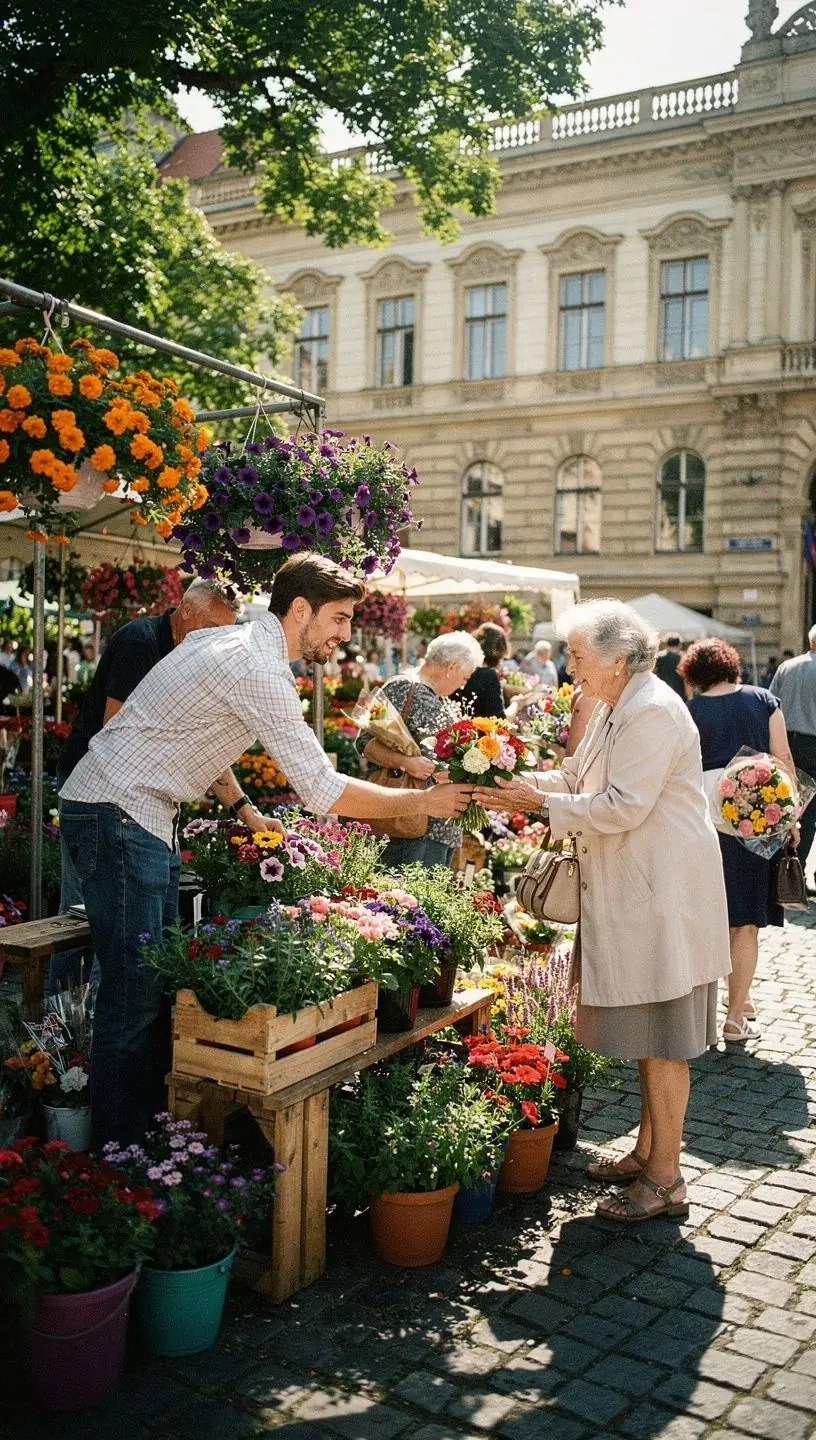
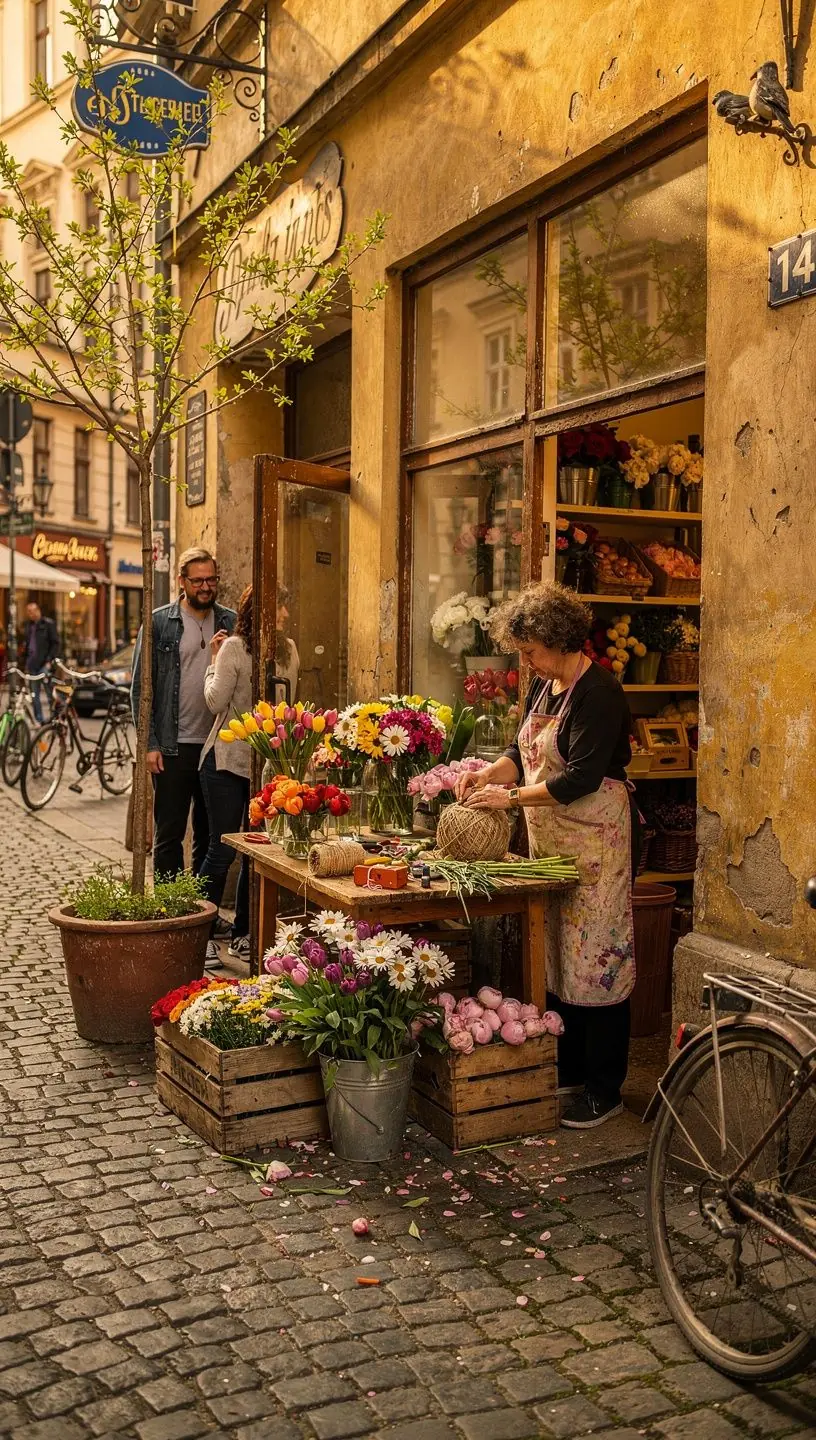
Despite the growth of online services, traditional flower shops with physical locations continue to hold relevance. Many local shops emphasize the importance of freshness and personalization, often crafting bespoke bouquets that cater to local tastes and preferences. Research indicates that personalized service can lead to higher customer satisfaction, particularly for custom orders.
- Physical stores typically offer a more tactile experience, allowing customers to choose flowers based on color, scent, and freshness.
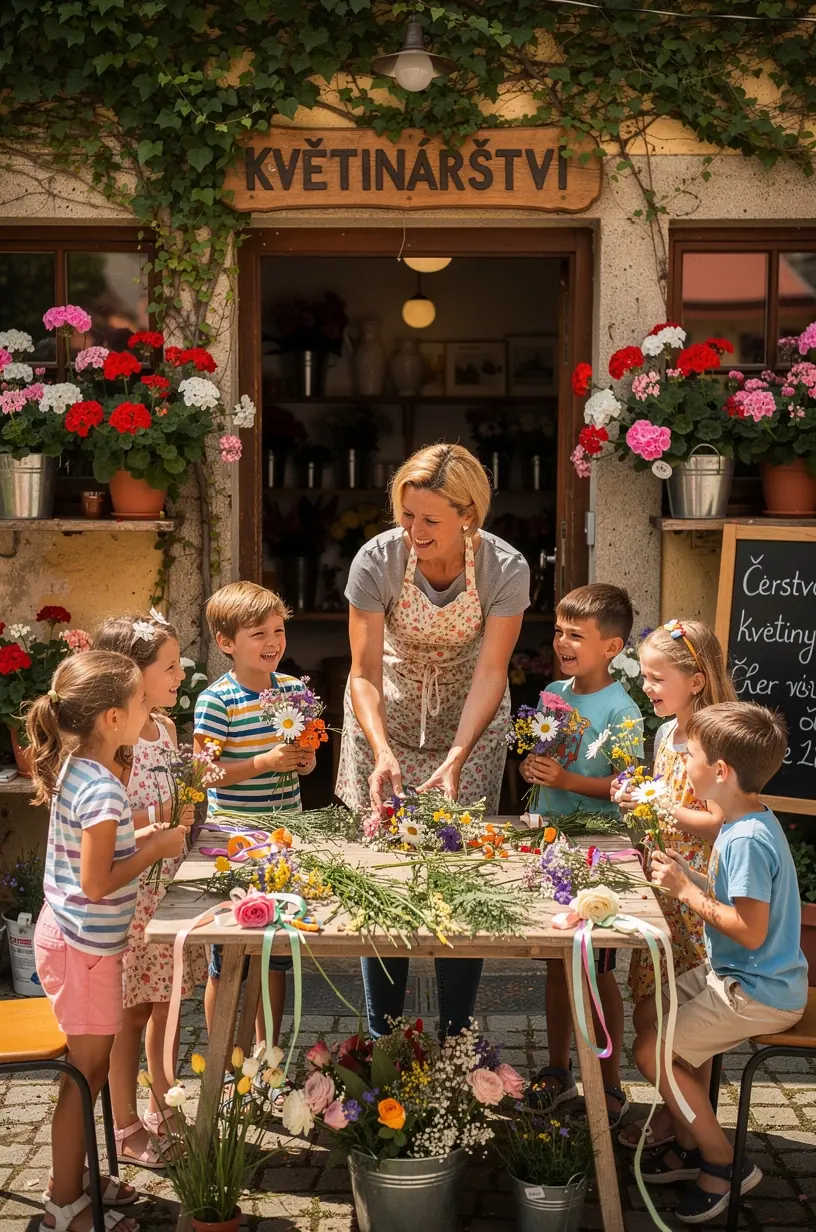
- Custom bouquet creation often involves consultations with floral experts who can provide insights on selection and care.
- Local distribution services are generally faster, ensuring that flowers remain fresh upon arrival.
Conclusion
The history of flower delivery services reflects broader societal changes and technological advancements. From ancient rituals to modern online convenience, the evolution of these services illustrates how consumer demands shape industries. While online options provide unprecedented access, traditional flower shops remain vital, offering personalized experiences that enhance customer satisfaction. Understanding this historical context can help consumers make informed choices when selecting flower delivery services, whether locally or online.
Learn More